
Equine Movement Optimization: Balanced Strides Key to Equine Health

Maintaining a horse’s health goes beyond feeding and shelter. Movement plays a crucial role in their overall well-being. When a horse moves with ease and symmetry, it reduces strain on muscles and joints. This leads to fewer injuries and longer athletic careers. I have seen firsthand how restoring natural movement can transform a horse’s life. In this post, I will share practical insights on optimizing equine movement to support health and performance.
Understanding Equine Movement Optimization
Optimizing a horse’s movement means ensuring their body works in harmony. Every joint, muscle, and tendon must function smoothly. When one part is off, it affects the entire system. This imbalance can cause pain, stiffness, and poor performance.
To optimize movement, start with a thorough assessment. Look for signs such as uneven gait, reluctance to move, or stiffness after exercise. These clues indicate where the horse may be compensating for discomfort. A detailed evaluation helps identify areas needing attention.
Next, focus on improving flexibility and strength. Gentle stretching exercises and targeted bodywork can release tension. Strengthening weak muscles supports proper alignment. This combination encourages the horse to move naturally and efficiently.
Regular monitoring is essential. Movement patterns can change over time due to training, age, or injury. Consistent check-ins allow early detection of issues. Addressing problems promptly prevents them from worsening.

Techniques to Enhance Equine Movement Optimization
Several techniques support movement optimization. Each method targets specific aspects of the horse’s body and movement patterns.
Bodywork and Massage
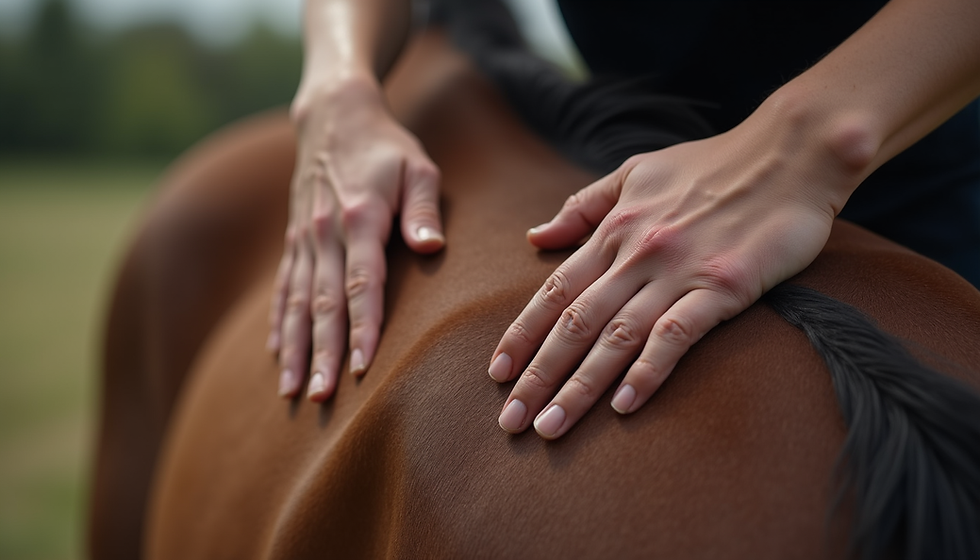
Skilled bodywork helps release muscle tightness and improve circulation. Techniques like myofascial release and trigger point therapy reduce pain and restore mobility. Regular sessions can maintain muscle balance and prevent strain.
Corrective Exercises
Exercises tailored to the horse’s needs build strength and flexibility. For example, lateral work improves coordination and balance. Hill work strengthens hindquarters and promotes engagement. These exercises encourage symmetrical movement.
Proper Hoof Care
Hoof balance directly affects movement. Uneven or poorly trimmed hooves cause compensations that lead to joint stress. Regular farrier visits ensure the hooves support natural gait and posture.
Saddle Fit and Tack Assessment
Ill-fitting tack restricts movement and causes discomfort. A saddle that fits well distributes weight evenly and allows freedom of the shoulders and back. Regular checks prevent pressure points and soreness.
Nutrition and Hydration
A well-balanced diet supports muscle function and joint health. Adequate hydration keeps tissues supple. Supplements like omega-3 fatty acids and glucosamine may aid in maintaining healthy joints.
By combining these approaches, you create a comprehensive plan to optimize your horse’s movement. Each element supports the others, leading to lasting improvements.
The Role of Balanced Strides in Equine Health
Movement that is smooth and symmetrical is essential for a horse’s health. When a horse moves with balanced strides, it reduces uneven wear on joints and muscles. This balance prevents injuries and enhances performance.
Balanced strides mean the horse’s weight is evenly distributed. Each step is deliberate and controlled. This reduces the risk of overloading one side or limb. Over time, balanced movement builds strength and endurance.
Achieving balanced strides requires attention to detail. It involves correcting posture, improving flexibility, and addressing any pain or discomfort. Consistent work and professional support make this possible.
I have witnessed horses regain their vitality once they move with balance. They show more willingness to work and recover faster from exertion. Balanced strides are not just about performance; they are about preserving the horse’s quality of life.

Practical Tips for Maintaining Optimal Movement
Maintaining optimal movement is an ongoing process. Here are some practical tips to keep your horse moving well:
Schedule regular bodywork sessions. Consistency helps maintain muscle balance and flexibility.
Incorporate varied exercises. Mix flatwork, hill work, and lateral movements to engage different muscle groups.
Monitor hoof health closely. Keep up with farrier visits and watch for signs of uneven wear.
Check tack fit frequently. Adjust or replace equipment as needed to avoid discomfort.
Observe your horse daily. Look for changes in gait, behavior, or willingness to move.
Provide a balanced diet. Ensure your horse receives nutrients that support joint and muscle health.
Allow adequate rest. Recovery time is essential for muscle repair and injury prevention.
By following these steps, you support your horse’s natural movement and overall health. Small, consistent actions lead to significant benefits.
Supporting Longevity Through Movement Care
A horse’s athletic longevity depends largely on how well its body is cared for. Movement optimization plays a central role in this care. Horses that move freely and without pain tend to have longer, healthier careers.
Preventing strain and injury is key. Balanced movement reduces the risk of chronic conditions like arthritis and tendon damage. Early intervention when issues arise can halt progression and improve outcomes.
I encourage horse owners and trainers to view movement care as an investment. It pays off in fewer vet visits, better performance, and a happier horse. Mobile equine bodywork services make this care accessible and convenient, especially in regions like Southern Alberta.
Ultimately, supporting your horse’s natural movement fosters resilience. It helps them adapt to the demands of training and competition. It also enhances their comfort and enjoyment of life.
Taking steps to optimize your horse’s movement is a commitment to their health and happiness. Through careful assessment, targeted techniques, and ongoing care, you can help your horse achieve balanced, natural movement. This foundation supports their well-being and athletic success for years to come.


Comments