
Discovering the Essentials of Equine Bodywork: Equine Care Essentials

Equine bodywork is a vital practice that supports the health and performance of horses. It focuses on restoring natural movement, preventing strain, and enhancing overall well-being. Through careful techniques, bodywork helps horses maintain balance and flexibility, which are crucial for their athletic longevity. In this post, I will share key insights into equine bodywork, practical tips, and essential knowledge to help you care for your horse effectively.
Understanding Equine Care Essentials
Proper equine care goes beyond feeding and grooming. It includes attention to the horse’s musculoskeletal system, which directly affects their comfort and performance. Equine bodywork addresses muscle tension, joint stiffness, and circulation issues. These factors can limit a horse’s range of motion and cause discomfort or injury.
For example, a horse that shows resistance during riding or has uneven gait may benefit from targeted bodywork. Techniques such as massage, stretching, and myofascial release can relieve tight muscles and improve flexibility. Regular sessions can also detect early signs of strain before they develop into serious problems.
To maintain optimal health, integrate bodywork into your horse’s routine. This complements farrier care, veterinary check-ups, and proper exercise. Consistency is key. Horses respond well to gentle, steady treatment that respects their natural rhythms.

Key Techniques in Equine Bodywork
Equine bodywork includes several techniques tailored to the horse’s needs. Each method targets specific areas and functions:
Massage Therapy: Helps relax muscles, reduce tension, and improve blood flow. It can be done using hands or specialized tools.
Stretching Exercises: Enhances flexibility and joint mobility. These exercises should be slow and controlled to avoid injury.
Myofascial Release: Focuses on releasing tight fascia, the connective tissue surrounding muscles. This technique improves movement and reduces pain.
Trigger Point Therapy: Identifies and treats specific muscle knots that cause discomfort or restrict movement.
Joint Mobilization: Gently moves joints to increase range of motion and reduce stiffness.
Each session should begin with a thorough assessment of the horse’s posture and movement. Observing how the horse stands, walks, and responds to touch provides valuable information. This helps tailor the bodywork to address the horse’s unique needs.
Consistency and patience are essential. Horses may need several sessions before showing noticeable improvement. Always monitor their response and adjust techniques accordingly.
What is the 1 2 3 Rule for Horses?
The 1 2 3 rule is a simple guideline to help horse owners and trainers assess and manage their horse’s physical condition. It focuses on three key areas:
One Minute - Spend at least one minute observing your horse’s posture and movement before handling. Look for signs of discomfort or asymmetry.
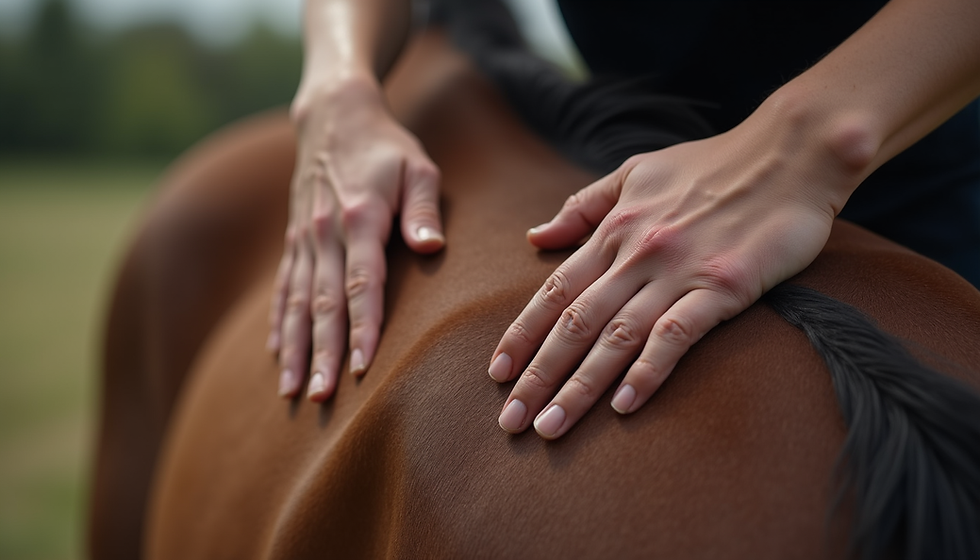
Two Hands - Use both hands to feel for muscle tightness or irregularities on each side of the horse’s body. Compare left and right to detect imbalances.
Three Steps - Watch the horse take three steps in a straight line. Notice any limping, uneven stride, or stiffness.
This rule encourages regular, mindful checks that can catch early signs of strain or injury. It complements professional bodywork by helping owners stay aware of their horse’s condition daily.
Applying the 1 2 3 rule can prevent minor issues from becoming major problems. It also fosters a deeper connection between horse and handler, promoting trust and cooperation.
Benefits of Regular Equine Bodywork
Regular bodywork offers numerous benefits that contribute to a horse’s health and performance:
Improved Mobility: Loosens tight muscles and joints, allowing freer movement.
Pain Relief: Reduces muscle soreness and joint discomfort.
Enhanced Circulation: Promotes blood flow, which supports healing and tissue health.
Stress Reduction: Calms the nervous system, helping horses relax.
Injury Prevention: Identifies and addresses tension before it leads to injury.
Better Performance: Supports athletic activities by maintaining optimal body function.
For example, a performance horse preparing for competition can benefit from bodywork to ease muscle fatigue and improve flexibility. Similarly, older horses with arthritis may find relief and increased comfort through gentle techniques.
Incorporating bodywork into your horse’s care routine can extend their active years and improve quality of life. It is a proactive approach that supports long-term well-being.

How to Choose a Qualified Equine Bodyworker
Selecting the right professional is crucial for effective and safe bodywork. Here are some tips to guide your choice:
Certification and Training: Look for practitioners with recognized certifications in equine bodywork or related fields.
Experience: Choose someone with experience working with horses similar to yours in discipline and age.
References: Ask for recommendations from other horse owners or trainers.
Communication: A good bodyworker explains techniques clearly and listens to your concerns.
Approach: They should use gentle, respectful methods tailored to your horse’s needs.
Before the first session, discuss your horse’s history, current issues, and goals. A thorough intake helps the bodyworker create a personalized plan.
Remember, bodywork is a partnership. Your observations and feedback are valuable for adjusting treatment and ensuring the best outcomes.
Continuing Your Learning and Care
Equine bodywork is a growing field with many resources available. To deepen your understanding, consider:
Attending workshops or seminars on equine anatomy and bodywork techniques.
Reading books and articles from reputable sources.
Consulting with veterinarians and farriers to coordinate care.
Exploring online resources, including an equine bodywork faq for common questions and answers.
Staying informed empowers you to make better decisions for your horse’s health. It also helps you recognize when professional intervention is needed.
Balanced Strides aims to be the leading mobile equine bodywork service in Southern Alberta. Our goal is to help horses achieve optimal health and performance by restoring natural movement and preventing strain. This approach enhances well-being and athletic longevity, supporting your horse’s best life.
By embracing the essentials of equine bodywork, you take an important step toward maintaining your horse’s vitality and happiness. Consistent care, informed choices, and gentle techniques make all the difference.
Supporting Your Horse’s Journey to Wellness
Equine bodywork is more than a treatment - it is a commitment to your horse’s health. It requires patience, attention, and respect for the horse’s unique needs. When integrated thoughtfully, bodywork supports every aspect of equine care.
Whether your horse is a competitive athlete or a beloved companion, bodywork can improve their quality of life. It helps prevent injuries, eases discomfort, and promotes natural movement. These benefits contribute to a longer, healthier, and more enjoyable partnership.
I encourage you to explore equine bodywork as part of your horse care routine. Seek qualified professionals, observe your horse closely, and stay engaged in their well-being. Together, you can achieve balanced strides and lasting health.


Comments